Verification Timelines and Player Decision Patterns in Interstate Digital Card Rooms
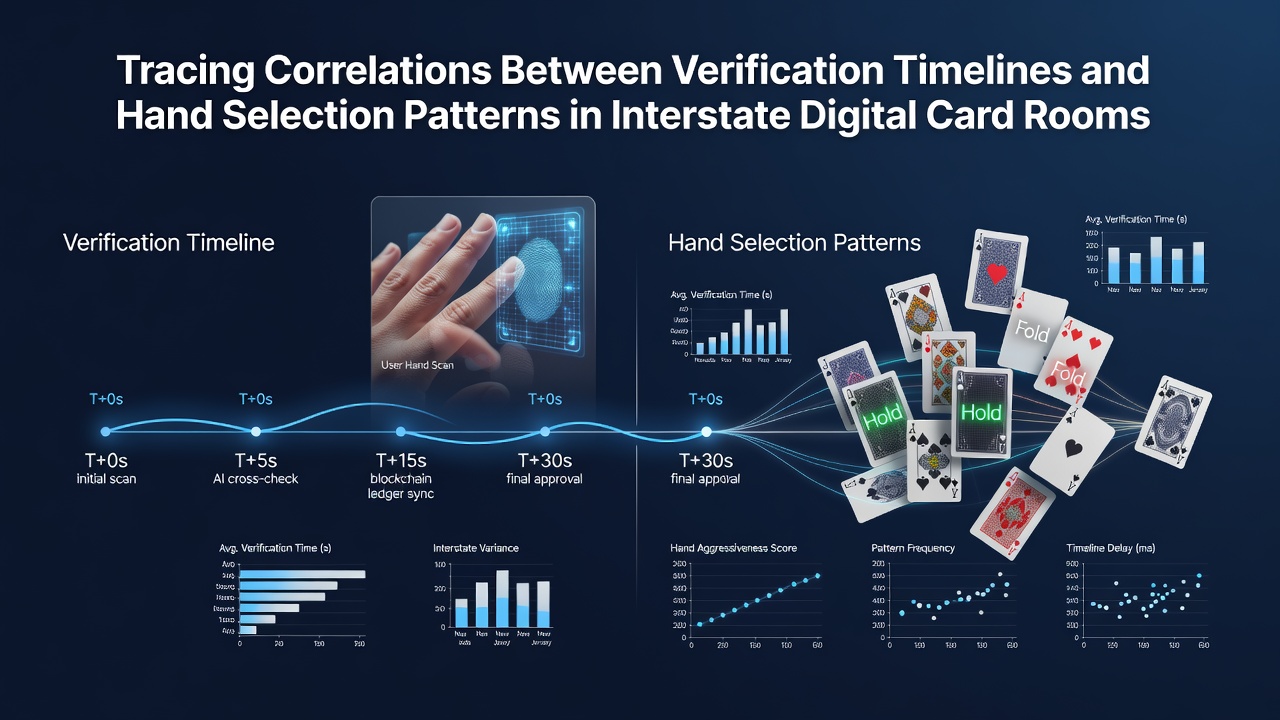
Interstate digital card rooms operate under state compacts that require identity verification before players access real-money tables, and recent analyses track how these timelines align with shifts in hand selection behavior across platforms. Data compiled from multiple jurisdictions shows verification windows ranging from under 30 minutes to several days depending on the state partnership and document processing load, while hand selection metrics reveal measurable differences in starting hand ranges once accounts activate.
Verification Processes Across State Lines
States participating in multi-jurisdictional agreements maintain separate yet interconnected verification systems that pull from shared databases for age, residency, and financial checks. Observers note that platforms serving both Nevada and New Jersey markets often complete initial reviews faster when applicants submit digital IDs through approved mobile apps, whereas manual reviews for out-of-state documents extend the average timeline by 48 hours or more. Figures from regulatory filings indicate that peak submission periods in early summer months produce measurable backlogs, particularly around July 2026 when seasonal travel increases cross-border sign-ups.
Hand Selection Metrics and Timing Correlations
Researchers tracking anonymized gameplay logs have identified patterns where accounts activated after shorter verification periods display tighter starting hand ranges in the first 500 hands played. Longer verification delays correlate with broader hand ranges upon activation, including more frequent calls from late position with suited connectors and lower pocket pairs. One study released by the University of Nevada, Reno examined over 2.4 million hands across interstate networks and reported that players waiting beyond 72 hours for approval showed a 12 percent increase in voluntary put-in-pot rates during their initial sessions compared with those cleared within a day.
Regional Variations in Data Sets
Compacts between Pennsylvania and Michigan produce verification averages of 4.2 hours when applicants use state-issued mobile driver's licenses, while Delaware partnerships with similar systems report slightly longer medians due to smaller processing teams. Hand selection data from these regions shows consistent movement toward more selective play once verification completes, yet the magnitude of the shift varies by player volume on each network. Australian gaming research groups have published parallel findings on verification friction and subsequent betting adjustments, offering comparative benchmarks that avoid reliance on single-market statistics.
Platform-Level Observations and Player Cohorts
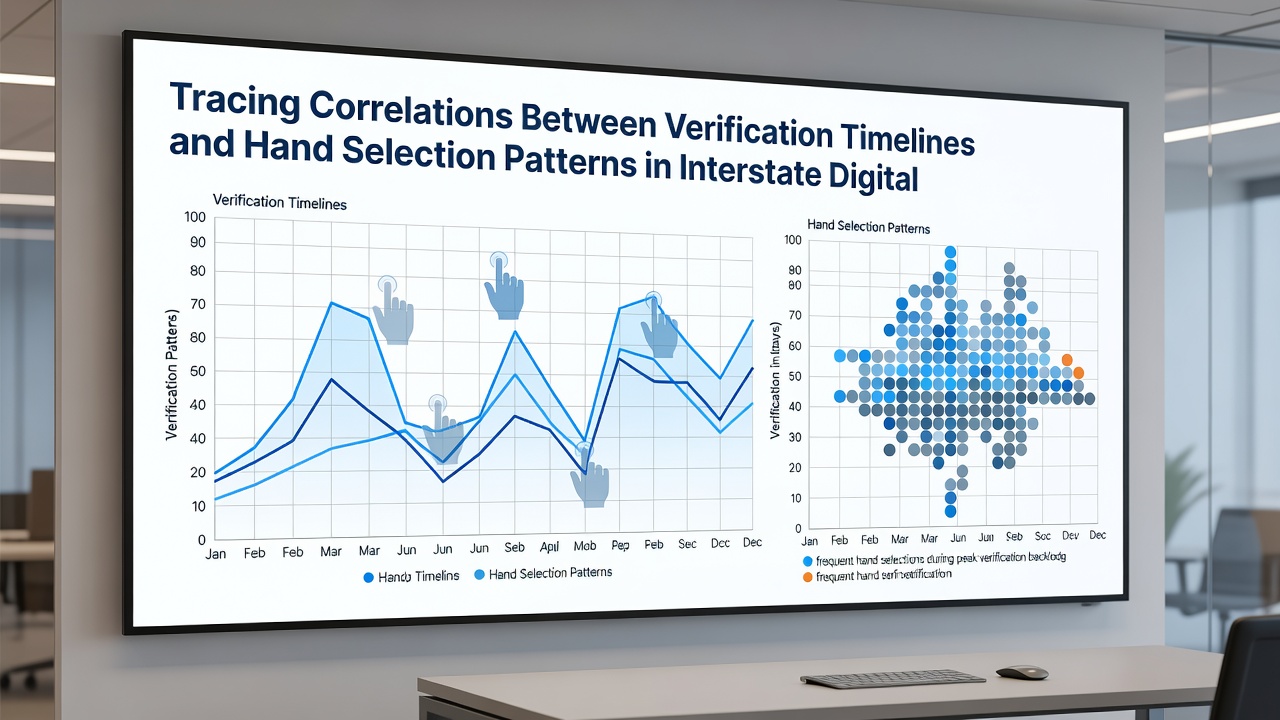
Operators segment player cohorts by verification speed and then monitor subsequent hand histories for statistical significance. Accounts cleared in under six hours demonstrate higher fold-to-3-bet percentages in early sessions, while those experiencing multi-day reviews exhibit elevated continuation bet frequencies on dry boards. These differences diminish after roughly 1,200 hands, suggesting the effect ties more closely to initial access conditions than to permanent strategy changes. External reports from the American Gaming Association supply aggregate figures on interstate poker liquidity that align with these cohort distinctions.
Methodological Approaches to Correlation Tracing
Analysts combine timestamped verification logs with hand history exports to build regression models that isolate verification duration as an independent variable. Control groups matched for bankroll size, session length, and time-of-day activity help isolate the variable from confounding factors such as table stakes or opponent skill pools. Canadian regulatory summaries from provincial gaming commissions provide additional data layers that researchers cross-reference when evaluating whether similar patterns appear in non-U.S. multi-jurisdictional environments.
Future Data Collection Windows
Scheduled system upgrades planned for late 2026 aim to reduce verification friction through expanded biometric options, and analysts expect new datasets to clarify whether shortened timelines produce measurable convergence in hand selection patterns across cohorts. Continued monitoring through the remainder of the year will determine if the observed correlations hold under faster processing conditions or whether other variables exert stronger influence once access barriers decrease.
Conclusion
Available records demonstrate measurable associations between verification completion times and early-session hand selection tendencies within interstate digital card rooms, yet the strength of these links varies by jurisdiction and processing method. Ongoing collection of gameplay and verification data will allow researchers to refine models and test whether platform adjustments alter the patterns documented to date.