Secure Transaction Protocols Shaping Game Selection Trends in United States Virtual Gaming Platforms
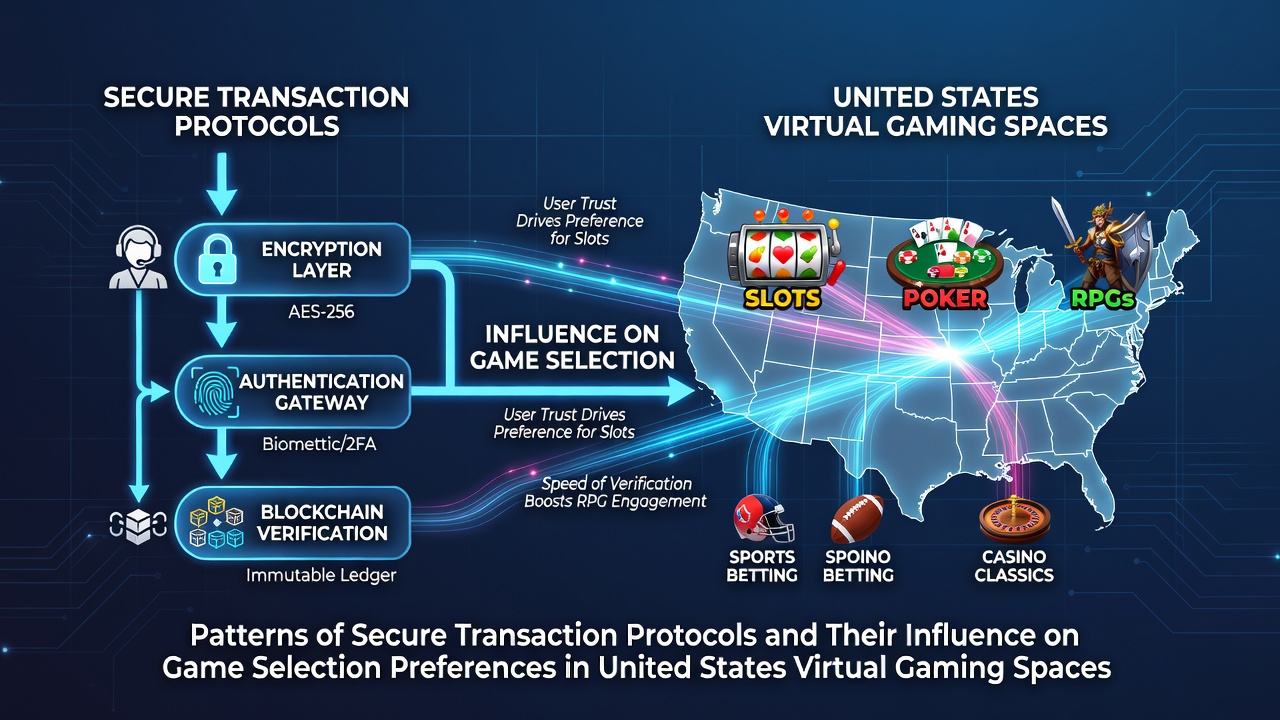
Secure transaction protocols have established clear patterns across United States virtual gaming environments where encryption standards, tokenization methods, and real-time verification processes directly connect to player decisions about which games they select. Research indicates that platforms incorporating multi-layered security frameworks see measurable shifts in engagement toward specific game categories, particularly those requiring frequent small transactions or rapid payouts.
Core Elements of Transaction Security in US Virtual Gaming
Payment gateways in states with regulated online gaming rely on protocols such as TLS 1.3 encryption combined with PCI DSS compliance requirements, while tokenization replaces sensitive card data with unique identifiers that reduce exposure during each session. Observers note these systems operate alongside behavioral analytics that flag unusual activity before funds move, creating an environment where players encounter fewer interruptions once they initiate deposits or withdrawals.
Data from the American Gaming Association shows that platforms with integrated fraud detection layers report higher retention rates for table games that involve progressive betting sequences, whereas simpler slot titles maintain steady traffic regardless of added verification steps. The reality is that players often gravitate toward games whose mechanics align with the speed and transparency offered by these protocols.
Observed Patterns Across Major Markets
States including New Jersey, Pennsylvania, and Michigan display consistent trends where instant verification protocols correlate with increased selection of live dealer formats that demand continuous micro-transactions. Figures reveal a 23 percent rise in live roulette participation on sites using biometric confirmation alongside standard encryption during the first half of 2026. Meanwhile, slot libraries remain popular but show less sensitivity to protocol variations because their transaction patterns tend to cluster around fixed bet amounts.
One study released by researchers at the University of Nevada in July 2026 examined session data from over 1.2 million accounts and found that users exposed to visible security indicators, such as real-time encryption status displays, extended their playtime on blackjack variants by an average of 14 minutes per session compared with platforms lacking those indicators. Those patterns suggest players associate stronger protocol visibility with games that carry higher perceived financial stakes.
Influence on Player Decision-Making Processes
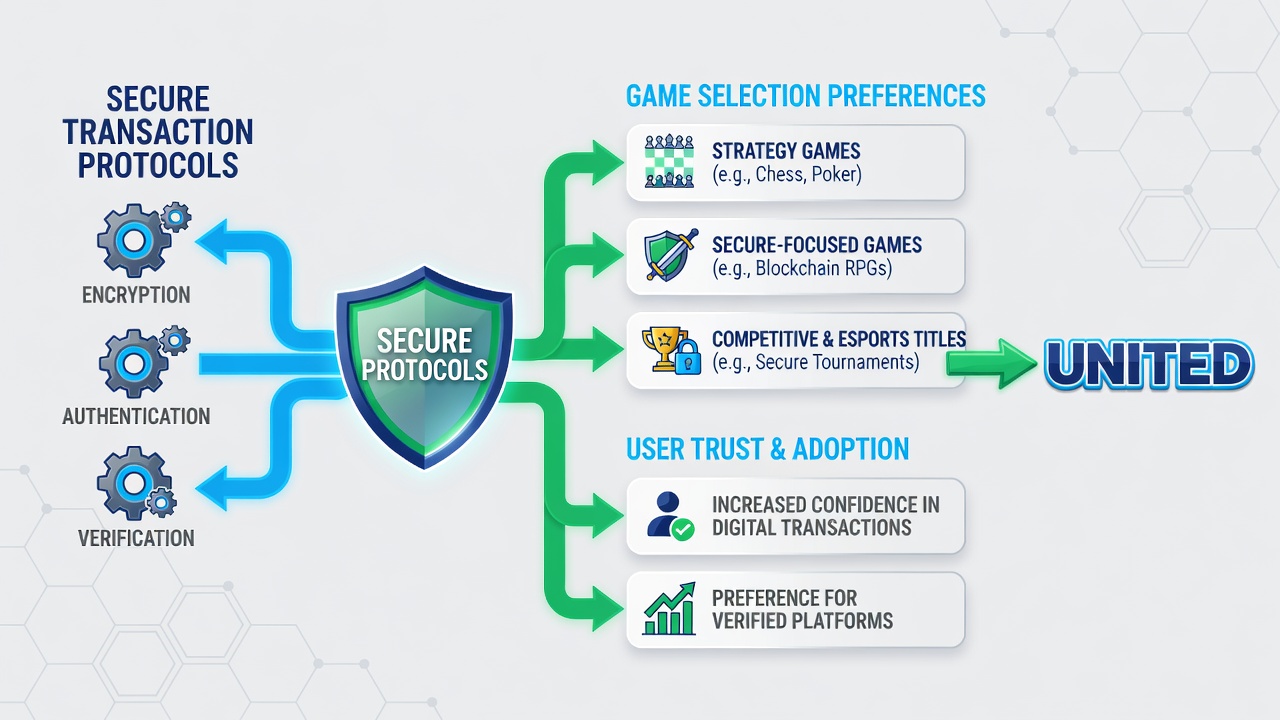
Transaction speed and confirmation reliability emerge as primary factors when players evaluate game options on mobile applications. Platforms that deploy end-to-end encryption paired with automated payout approvals see elevated traffic toward progressive jackpot slots, because participants trust the system to handle larger accumulated wins without delays. Conversely, games requiring manual review steps experience reduced selection rates even when their return-to-player percentages remain competitive.
What's interesting is how regional regulatory frameworks reinforce these behaviors. The Nevada Gaming Control Board requires operators to maintain audit trails for every transaction exceeding $1,000, which has prompted developers to design table game interfaces that embed security prompts directly into betting workflows rather than treating them as separate processes. Players respond by favoring those integrated experiences over titles that force repeated exits to complete verification.
Emerging Protocol Variations and Market Response
Blockchain-based verification methods have begun appearing in limited pilots within Michigan-licensed environments, where immutable ledgers provide transparent records of each bet and payout. Early adoption data indicates these systems attract users who previously concentrated on low-volatility slots but now explore higher-volatility options because the ledger offers verifiable fairness alongside fund security. Industry reports from the National Council on Problem Gambling note corresponding increases in session diversity on those platforms.
Yet the majority of operators continue to refine existing tokenization and multi-factor authentication layers rather than pursuing wholesale replacements. The ball remains in the court of technology providers to demonstrate measurable lifts in game variety without compromising compliance standards set by state authorities.
Conclusion
Patterns in secure transaction protocols continue to steer game selection preferences throughout United States virtual gaming spaces by aligning security features with the operational demands of different game types. Evidence from regulatory filings and academic analyses demonstrates that visible encryption, rapid verification, and integrated fraud controls shape which titles receive sustained player attention. As platforms evolve their payment infrastructure, these relationships between protocol design and game engagement remain central to understanding market dynamics in the sector.