Payment Pathways and Probability Plays: How Transactions Shape Game Tactics for Local Online Casino Participants
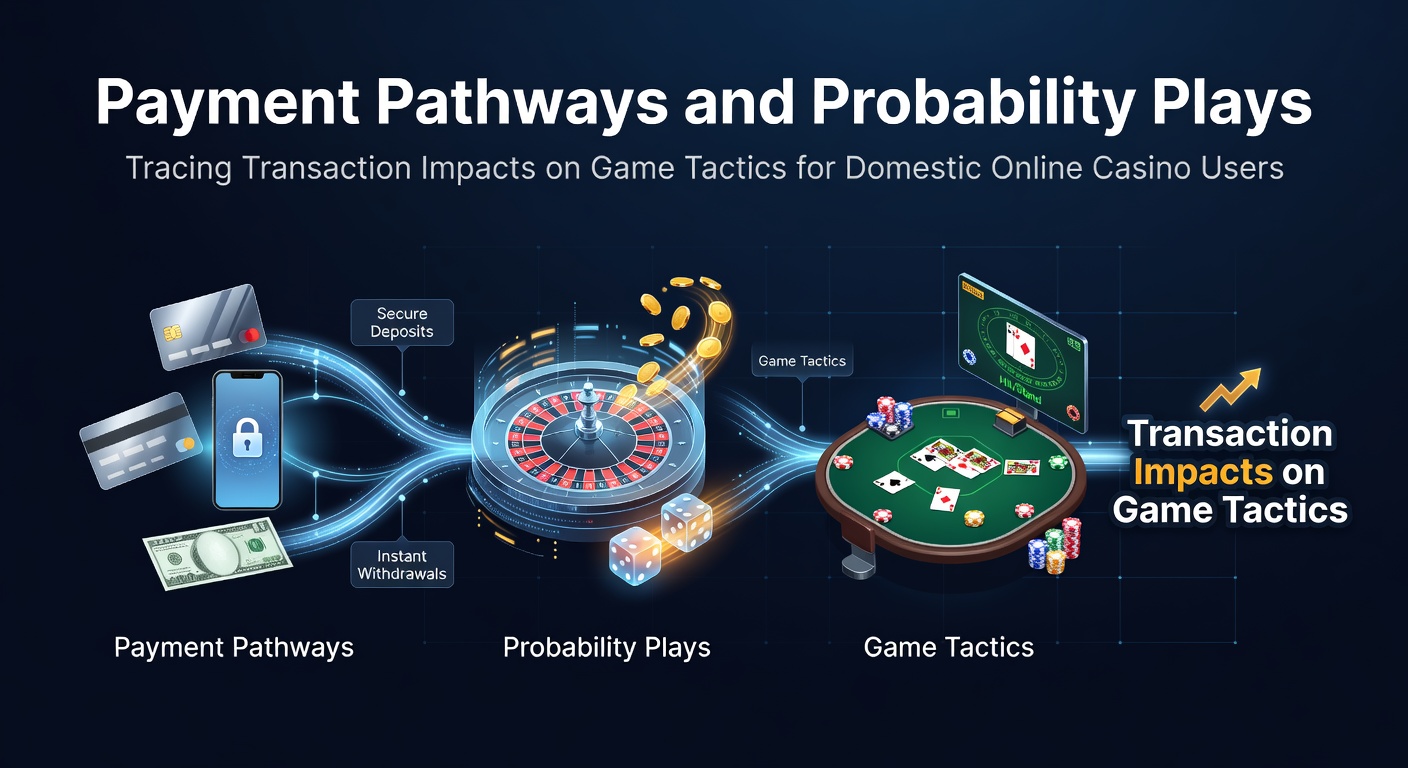
Payment systems now connect directly to the timing and structure of decisions that players make during sessions on domestic online casino platforms, and this linkage influences everything from bet sizing to game selection across slots, blackjack, and poker variants.
Transaction speed determines how quickly funds become available for continued play or withdrawal, while processing fees alter the effective return rates that factor into probability calculations during extended sessions. Observers note that platforms offering instant e-wallet transfers allow users to respond to short-term variance patterns without interruption, whereas slower bank methods create natural pauses that shift focus toward longer-term bankroll management approaches.
Transaction Speed and Session Dynamics
Instant deposit options reduce the gap between intent and action, which means players can adjust stakes immediately after observing outcome sequences in live dealer environments or automated table games. Research from the University of Las Vegas Center for Gaming Research shows that shorter funding intervals correlate with higher frequency of small bet adjustments in blackjack, because users maintain momentum through multiple hands without external delays. In contrast, traditional wire transfers that require hours or days encourage pre-planned session lengths where probability estimates remain fixed from the outset.
Domestic users in regulated markets often select payment routes based on how those routes interact with bonus wagering timers, and this choice affects whether they pursue high-volatility slots or steadier roulette progressions during the same login period.
Fee Structures and Expected Value Adjustments
Processing costs embedded in certain payment channels modify the net expected value of each game round, prompting shifts in strategy that account for cumulative deductions over dozens of plays. For instance, credit card transactions carrying percentage-based fees lead some participants to favor lower-house-edge table games over slots when the added cost exceeds the difference in return-to-player percentages. Industry data compiled by the American Gaming Association indicates that crypto-based payments, which frequently carry minimal or zero platform fees, enable tighter adherence to probability models without the need to offset external charges in mental calculations.
Regulatory Timing and Platform Adaptations
Changes scheduled for June 2026 in several state frameworks will standardize instant settlement requirements for approved digital wallets, and this standardization is expected to expand the range of real-time tactical options available to local players. Platforms are already testing interfaces that display updated probability metrics immediately after each confirmed deposit, allowing seamless transitions between game types based on current bankroll status. Those who have monitored early pilot programs report that users increasingly combine multiple payment pathways within a single session to balance speed against cost, creating hybrid approaches that were less common under older processing norms.
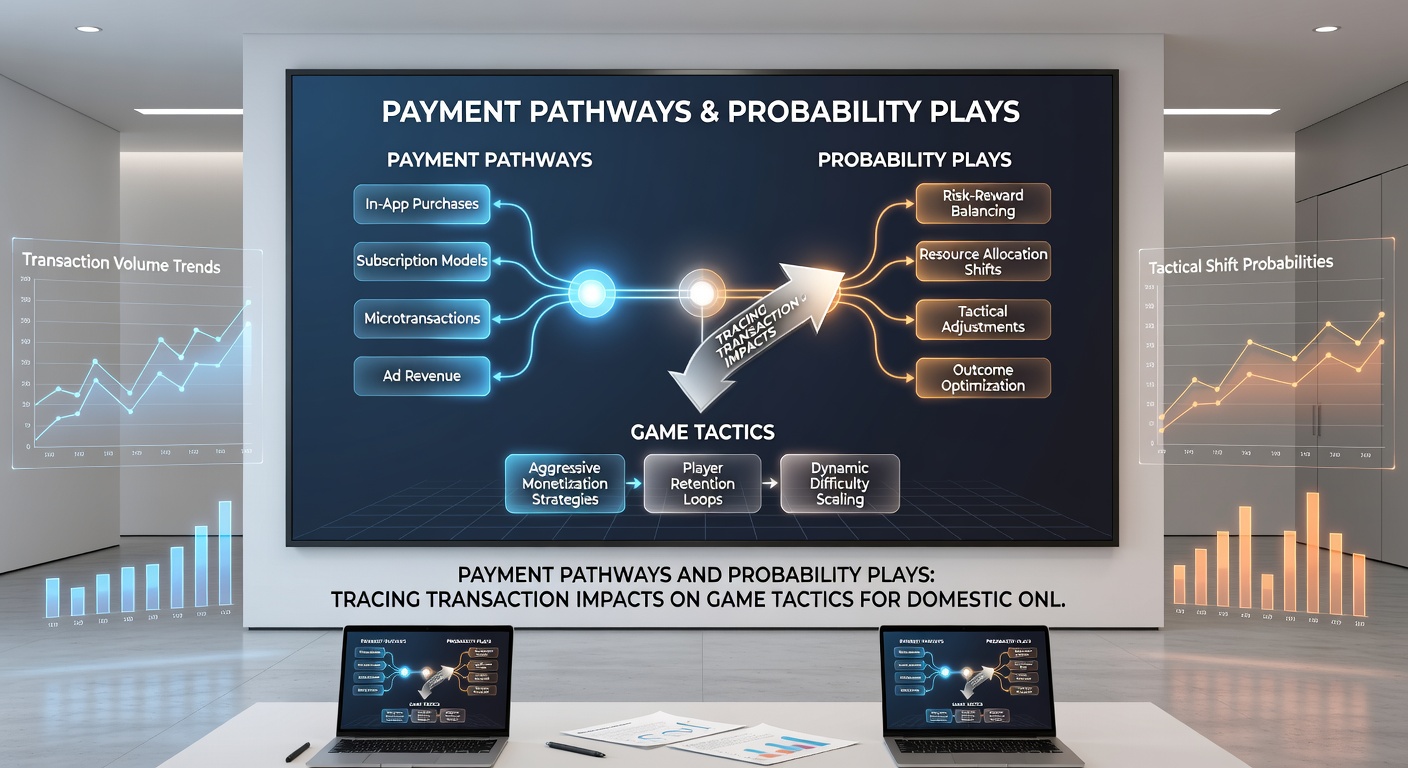
Payment Method Selection and Risk Calibration
Local players calibrate their exposure to variance according to the settlement certainty provided by each channel, and this calibration appears in decisions such as whether to chase progressive jackpots or stick with fixed-payout tables. Prepaid voucher systems that cap maximum transaction amounts encourage conservative bet spreads in poker tournaments, whereas unlimited instant bank links support wider ranges during favorable deck compositions in blackjack. Figures released by the Canadian Centre for Gaming Research reveal measurable differences in average session duration when users switch from fee-heavy cards to low-cost alternatives, with the latter group extending play periods to capitalize on identified edges.
Security features tied to specific pathways also influence tactic selection, since verification steps that accompany larger transfers create enforced breaks during which players review ongoing probability assessments before committing further funds.
Integration of Payment Data into Game Software
Modern casino interfaces now incorporate payment history directly into session analytics, displaying remaining wagering requirements alongside real-time RTP estimates for selected titles. This integration lets users modify their approach mid-session when transaction records show that prior deposits have already covered minimum thresholds. Domestic operators report increased use of split-payment strategies, where smaller instant deposits fund exploratory rounds and larger verified transfers support committed play once initial outcomes align with expected distributions.
Conclusion
Payment pathways continue to intersect with probability-based decisions across domestic online casino environments, and the resulting patterns show consistent links between transaction characteristics and the tactical adjustments players apply during play. As settlement standards evolve in 2026, the granularity of these connections is likely to increase, giving users more precise tools for aligning funding methods with their chosen game mechanics and risk parameters.