Mapping Alternative Funding Methods to Sustain Extended Gameplay at Virtual Table Games and Slot Reels for US Participants
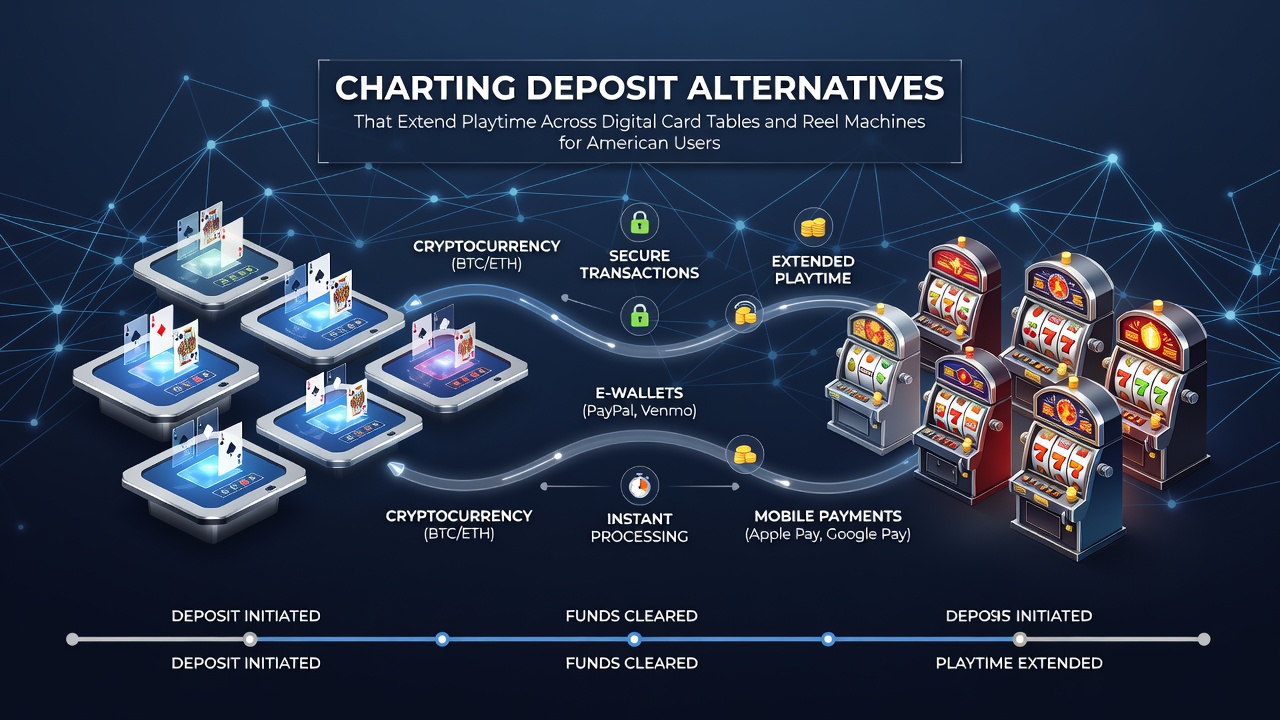
American players seeking longer sessions at digital blackjack tables and slot reels have turned to various deposit alternatives that bypass traditional credit card limitations, and these methods often integrate directly with platform interfaces to reduce processing delays while maintaining compliance with state-specific rules.
Payment processors such as e-wallets and prepaid vouchers allow users to fund accounts in seconds rather than waiting for bank approvals, which in turn supports continuous play across multiple game types without repeated interruptions for verification steps.
Common Deposit Alternatives in Use
Electronic wallet services including Skrill and Neteller have gained traction among US participants because they support instant transfers from linked bank accounts or cards, and operators frequently accept these options for both table games like poker and reel-based machines without imposing additional fees on the deposit side. Prepaid card systems such as Paysafecard provide another route where players purchase vouchers at retail locations then redeem codes online, which keeps spending within predetermined limits while extending time spent on games that require steady funding streams.
Bank wire transfers and ACH pulls represent slower yet reliable choices that some platforms promote for larger amounts, and data from industry reports shows these methods handle high-volume transactions effectively even though they may take one to three business days to clear.
Impact on Table Games and Reel Machines
Digital card tables benefit from quick funding because players can reload during live dealer rounds without exiting the session, whereas reel machines see sustained engagement when deposits arrive seamlessly between spins or bonus rounds. Observers note that platforms offering multiple alternatives report higher average session lengths, particularly when users combine e-wallet speed with prepaid anonymity features.
According to figures from the American Gaming Association, electronic payment adoption among online participants reached notable levels by mid-2026, with many states reporting increased transaction volumes tied to mobile-friendly options that align with reel and table interfaces.
Regional Variations and July 2026 Developments
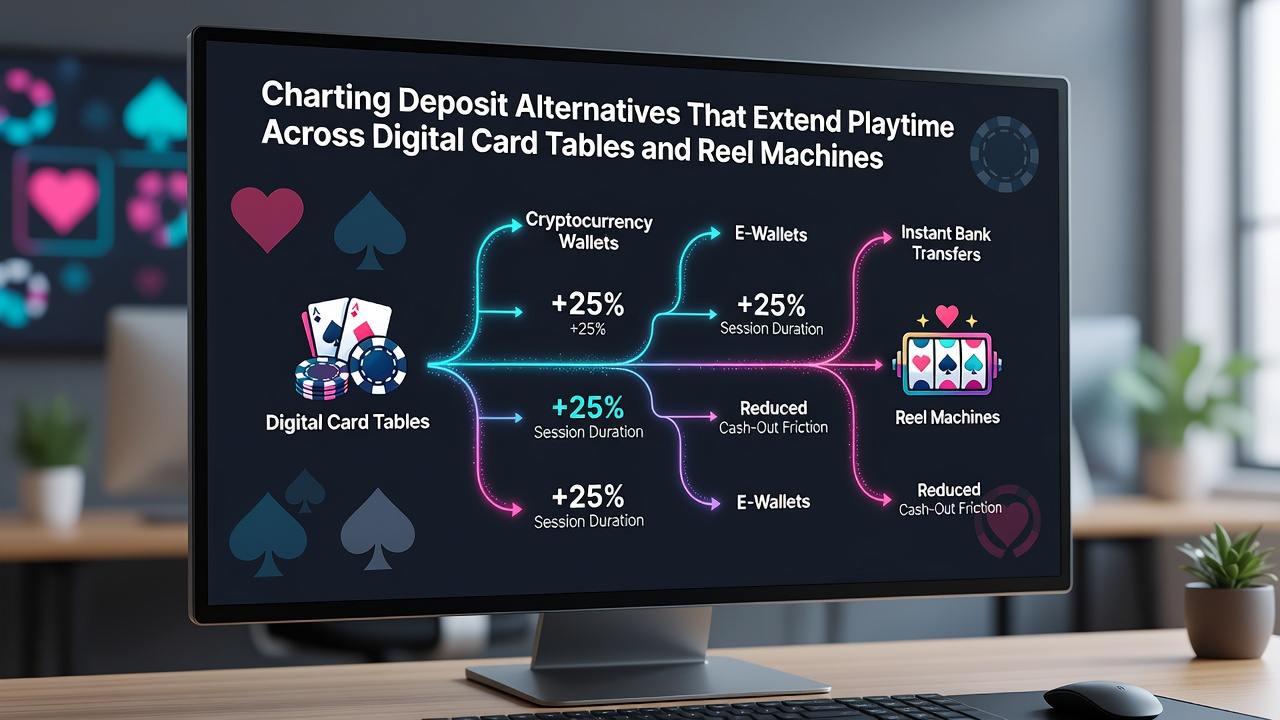
States with established online frameworks such as New Jersey and Pennsylvania have expanded accepted methods to include certain cryptocurrency wallets by July 2026, and this shift has allowed participants to move funds across borders more fluidly while operators adjust compliance protocols. In contrast, markets still finalizing regulations continue to rely on established e-wallet and voucher systems that avoid volatility concerns associated with digital currencies.
Research from the University of Nevada Reno's gaming studies group indicates that diversified deposit channels correlate with steadier participation rates across both card and reel categories, though outcomes vary by operator implementation and user preference for speed versus cost.
Practical Considerations for Selection
Users evaluate processing times, minimum deposit thresholds, and withdrawal compatibility when choosing alternatives, since some e-wallets pair well with table game bonuses while prepaid options suit reel machine enthusiasts who prefer capped spending. Platform policies often list compatible methods in account dashboards, and cross-referencing these lists with state gaming authority guidelines helps ensure uninterrupted access.
One documented case involved a Midwest-based operator that introduced instant ACH options in early 2026, resulting in measurable increases in multi-game sessions according to internal metrics shared with trade publications.
Conclusion
Deposit alternatives continue to shape how American users approach digital card tables and reel machines by offering varied speeds and access points that align with individual session goals. As of July 2026, ongoing adjustments in state rules and processor integrations suggest further refinements ahead, with current patterns showing steady reliance on established electronic and prepaid channels alongside selective crypto adoption in mature markets.