Loyalty Tiers Decoded: Their Role in Sustaining Player Activity on Licensed US Digital Gaming Sites
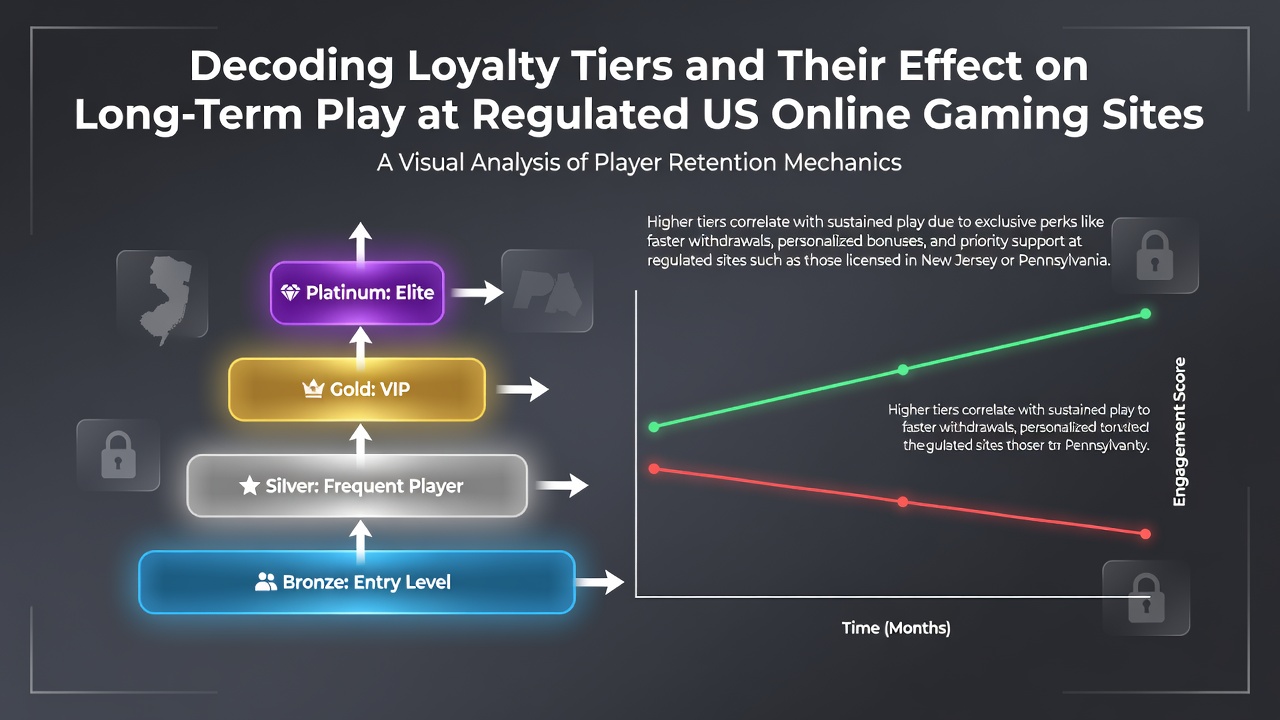
Regulated online gaming platforms across states like New Jersey, Pennsylvania, and Michigan have built loyalty programs around tiered structures that reward consistent play with escalating benefits, and these systems directly influence how long players remain active on a given site. Operators track player activity through points earned on wagers, then assign users to levels such as bronze, silver, gold, and platinum, each unlocking higher cashback rates, personalized promotions, and faster withdrawal processing.
According to data compiled by the American Gaming Association, tiered loyalty programs now appear in over 85 percent of licensed US online casino offerings, with points accumulation often tied to real-money bets on slots, table games, and live dealer options. Players advance by meeting monthly or quarterly thresholds, which encourages repeated sessions rather than one-time visits, and this pattern shows up clearly in retention metrics released by state gaming control boards.
How Points Systems Translate Into Tier Progression
Most programs award one point for every dollar wagered, though multipliers apply during promotional periods or on specific game categories, and reaching the next tier requires accumulating a set number of points within a defined window. Once achieved, tier status typically lasts 30 to 90 days before re-evaluation, giving users a clear window to maintain or climb further while the site adjusts offers based on recent activity levels.
Benefits scale with each level, starting with basic reload bonuses at entry tiers and moving toward exclusive tournament access, higher deposit limits, and dedicated account managers at the top. Research from the University of Nevada's International Gaming Institute indicates that players who reach gold or platinum status demonstrate average session lengths 40 percent longer than those remaining at bronze, largely because the perceived value of ongoing rewards keeps them engaged.
Retention Patterns Linked to Tier Status
Long-term play metrics reveal that tiered rewards reduce churn rates among active users, since losing accumulated status or missing out on higher cashback acts as a deterrent to switching platforms. State reports from the New Jersey Division of Gaming Enforcement show that accounts holding mid-to-upper tier status generate 2.3 times the monthly handle compared with new or entry-level players, a gap that widens during holiday promotional windows when bonus multipliers become available.
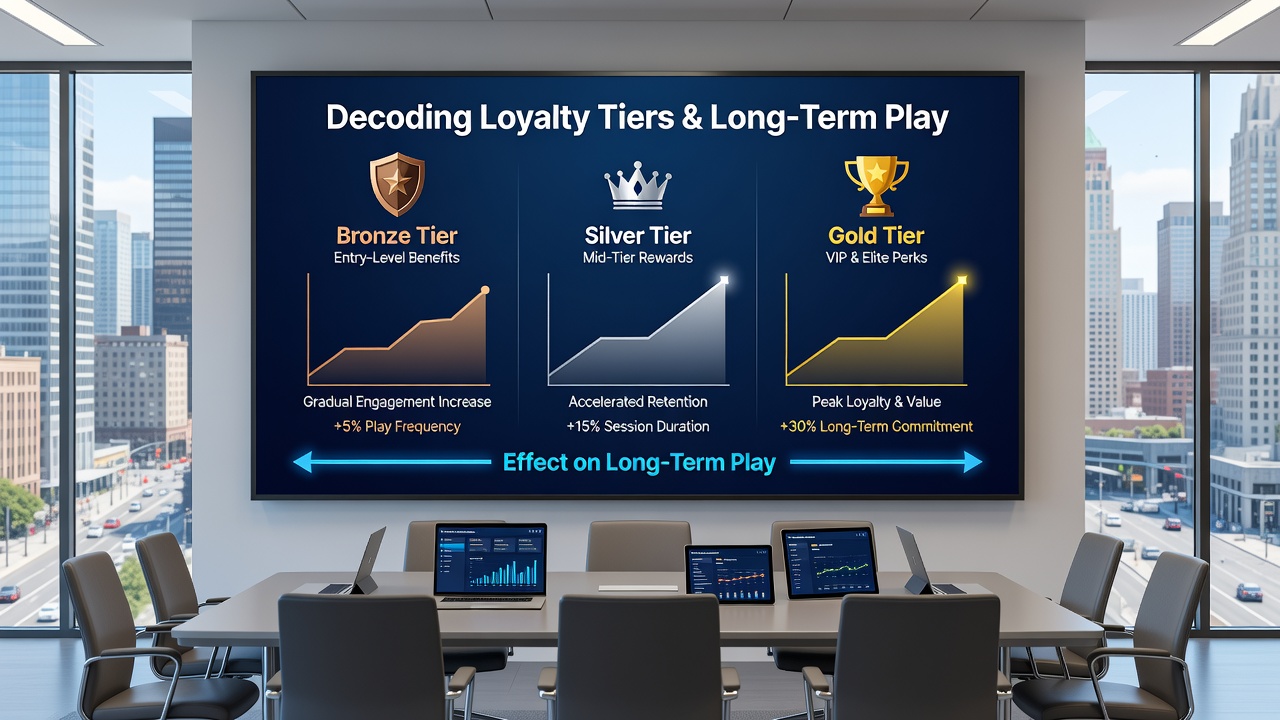
July 2026 brought updated transparency requirements in several jurisdictions, requiring operators to publish average time-to-tier-advancement figures, and these disclosures have made it easier for analysts to compare how quickly players progress under various program designs. Sites that front-load easier early milestones tend to see faster movement into silver and gold, while stricter thresholds correlate with steadier but slower retention curves among high-volume users.
Behavioral Data and Spending Trends
Industry analyses of anonymized transaction records indicate that players who maintain tier status over six consecutive months increase their average bet size by 18 to 25 percent, often because cashback and free-play credits offset variance and allow continued participation during downswings. This effect appears strongest in states with mature regulatory frameworks, where player funds remain segregated and withdrawal reliability reinforces trust in the loyalty structure.
Programs also incorporate milestone bonuses tied to tier anniversaries, such as additional points or merchandise credits, which further anchor long-term engagement. Observers note that these layered incentives create multiple decision points throughout the year, each prompting the player to return rather than pause activity.
Regulatory Context Across US Jurisdictions
State gaming commissions require clear disclosure of how points convert to benefits and how tier status resets, preventing misleading marketing while still allowing operators flexibility in program design. Pennsylvania's gaming control board, for instance, mandates that all loyalty terms appear in plain language within the account interface, and similar rules have emerged in Michigan and West Virginia as those markets matured.
Cross-state comparisons show that players who hold status in multiple regulated markets tend to concentrate play on the platform offering the most transparent progression path, according to aggregated data shared by the National Council on Problem Gambling in partnership with academic researchers. This concentration effect underscores how loyalty tiers function as both retention tools and competitive differentiators.
Conclusion
Tiered loyalty structures at regulated US online gaming sites operate through measurable point thresholds and scaled rewards that correlate with extended player sessions and higher lifetime value, while state-level reporting continues to refine how these programs are evaluated for fairness and transparency. Data from multiple jurisdictions demonstrate consistent patterns linking tier advancement to sustained activity, and ongoing regulatory updates through 2026 and beyond will likely shape how operators adjust thresholds and benefit delivery in response to player behavior trends.