Decoding Financial Pathways in Cross-Border Online Entertainment Platforms
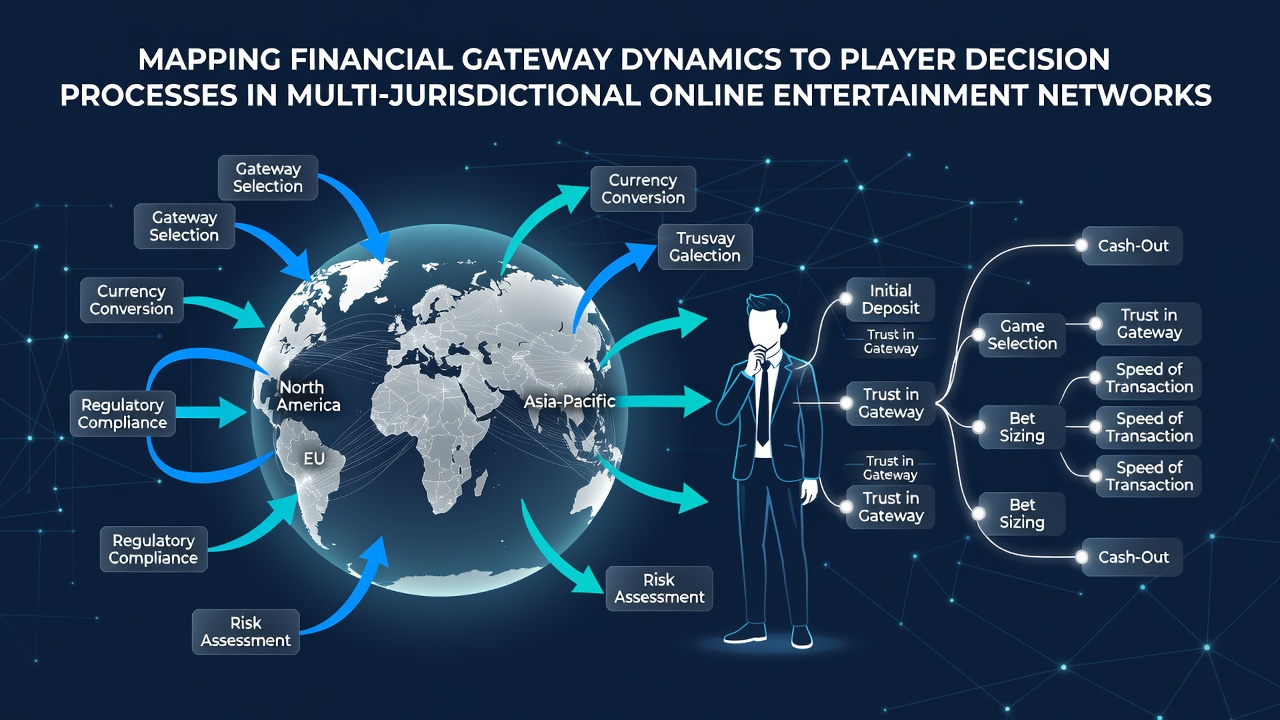
Financial gateways serve as the infrastructure that processes deposits, withdrawals, and transfers in multi-jurisdictional online entertainment networks, and researchers have mapped how these systems shape the sequence of choices players make when selecting games, setting limits, and managing sessions. Data from regulatory filings indicate that payment method availability directly correlates with session duration and game type preferences across different regions, while transaction speed influences whether users proceed to bonus rounds or exit the platform. Observers note that in networks spanning multiple legal frameworks, the friction points at each gateway create decision trees that vary by jurisdiction, with some players prioritizing instant verification and others focusing on fee structures.
Core Components of Gateway Dynamics
Payment processors integrate with banking networks, digital wallets, and alternative rails such as prepaid cards or cryptocurrency exchanges, and each integration carries its own latency, compliance checks, and fee schedules that operators must align with local rules. Studies from academic institutions show that when a gateway requires additional verification steps, players often shift toward simpler games like slots rather than table games that demand longer engagement, because the initial hurdle reduces momentum. Figures from industry reports reveal that networks operating in both North American and European markets maintain separate gateway configurations to accommodate differing data protection standards, which in turn affects how quickly players can reload balances during peak hours.
How Players Navigate Decision Points
Decision processes begin at the deposit stage, where available methods determine the first set of constraints, and those constraints propagate through subsequent actions such as bet sizing and cash-out timing. Research indicates that users who encounter higher processing fees tend to select lower-volatility options to preserve bankroll, whereas those with fee-free instant options explore higher-risk games more frequently. Take one analysis of transaction logs from a multi-state operator that revealed players using e-wallets completed 30 percent more deposit cycles per month than those relying on card-based gateways, because reduced friction allowed quicker responses to in-game prompts. Experts have observed that jurisdictional rules on maximum transaction values further segment these behaviors, with limits in certain Asian markets prompting players to split deposits across multiple gateways within a single session.
Regional Regulatory Influences on Mapping
Multi-jurisdictional networks must reconcile conflicting requirements on payment transparency and consumer protection, and this reconciliation produces distinct mapping patterns that operators track through analytics platforms. According to data compiled by the Nevada Gaming Control Board, platforms licensed across several U.S. states adjust gateway priorities based on state-specific rules for responsible gaming tools, which then alters the order in which players encounter deposit limits or self-exclusion prompts. In June 2026, several operators updated their systems to reflect new interoperability standards between Canadian provincial regulators and European licensing bodies, resulting in unified reporting that highlights how payment delays in one region affect retention metrics in another. Those who've studied cross-border flows note that Australian regulatory frameworks emphasize real-time transaction monitoring, which creates additional decision layers for players accustomed to less stringent environments.
Analytical Techniques for Mapping Interactions
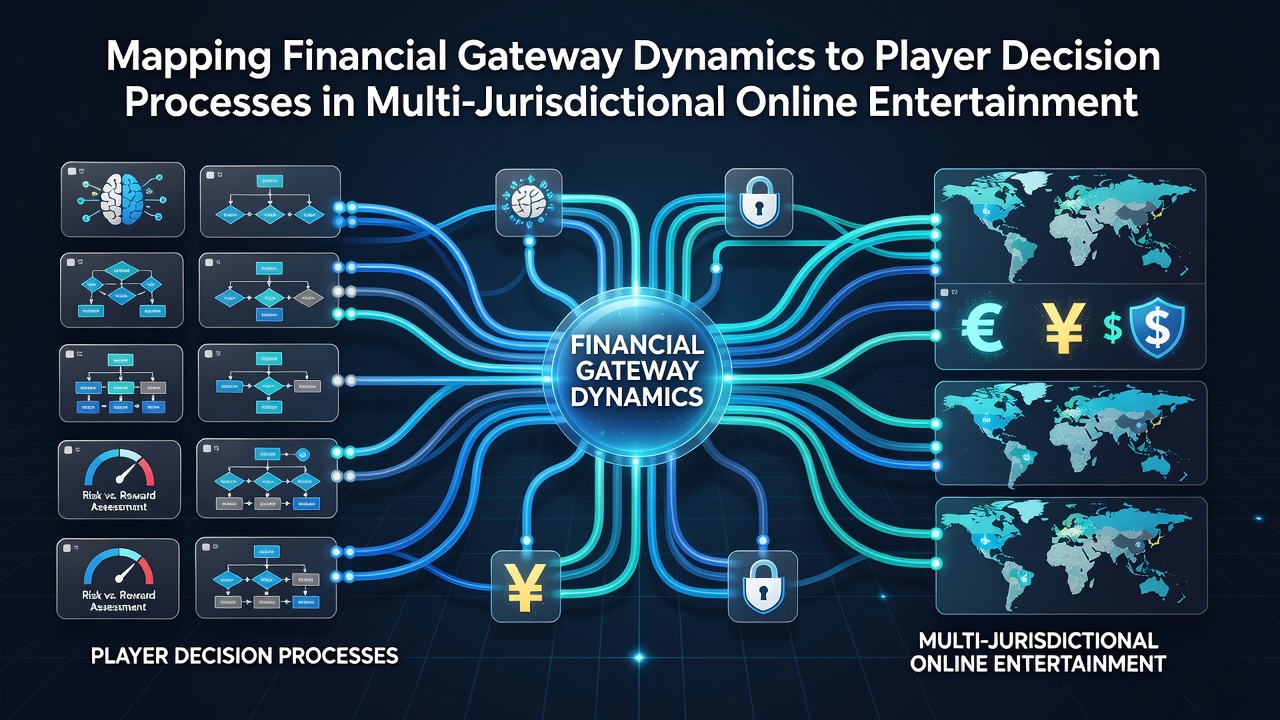
Operators apply graph theory and sequence modeling to trace how gateway attributes connect to behavioral outcomes, and these models incorporate variables such as currency conversion rates, approval times, and dispute resolution pathways. Data shows that networks incorporating machine learning can predict when a player will abandon a session based on the cumulative effect of gateway interactions, allowing preemptive adjustments to interface design. One case involved a European operator that linked gateway performance metrics to player lifetime value calculations, revealing that seamless withdrawals increased repeat deposits by measurable margins across different license jurisdictions. Researchers at specialized gaming analytics centers continue to refine these maps by layering in macroeconomic factors like exchange rate fluctuations, which influence method selection for international users.
Future Developments in Gateway Integration
Emerging standards for open banking and digital identity verification are expected to reduce certain friction points, yet they introduce new compliance variables that operators must map against existing player pathways. Industry organizations report ongoing pilots that test unified gateway protocols across multiple continents, with preliminary results suggesting shifts in game selection patterns once verification becomes more consistent. Observers tracking these changes highlight that the interplay between gateway speed and jurisdictional reporting obligations will remain central to how decision processes evolve through the remainder of the decade.
Conclusion
The mapping of financial gateway dynamics onto player decision processes reveals structured relationships that span technical infrastructure, regulatory environments, and behavioral patterns across multi-jurisdictional networks, and continued data collection supports refinement of these models for operational use. Sources such as Nevada Gaming Control Board reports and studies from the Responsible Gambling Council provide foundational datasets for these analyses, while operators apply the resulting insights to maintain compliance and optimize user flows.