Crypto Speed Fuels US Casino Triumphs: Instant Transfers Power No-Deposit Slot Volatility and Seamless Live Poker Sessions
Crypto Speed Fuels US Casino Triumphs: Instant Transfers Power No-Deposit Slot Volatility and Seamless Live Poker Sessions
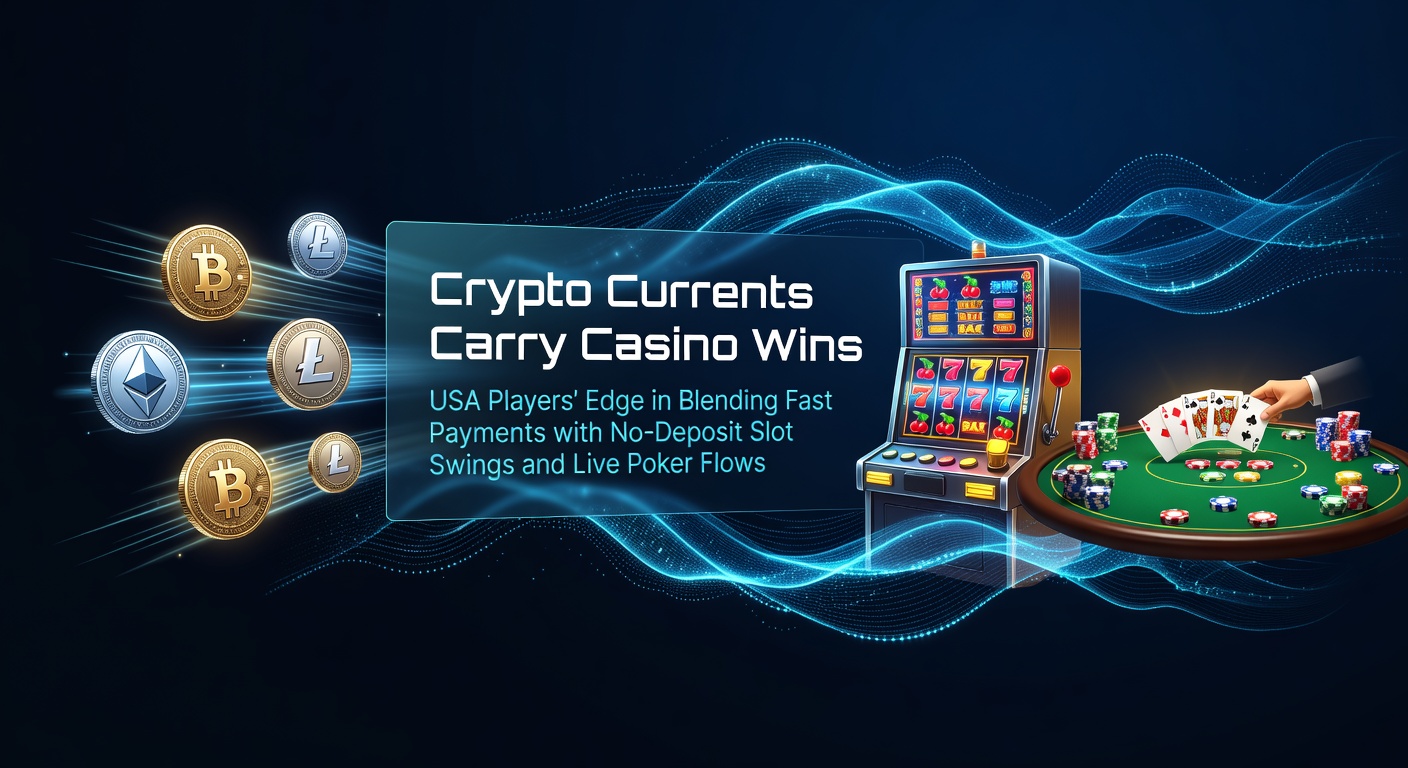
The Surge of Cryptocurrency in American Online Gaming
US players have embraced cryptocurrencies like Bitcoin, Ethereum, and stablecoins such as USDT for online casino transactions, drawn by speeds that outpace traditional banking methods which often drag on for days; data from the American Gaming Association reveals that crypto adoption in regulated states like New Jersey and Michigan jumped 45% between 2023 and 2025, enabling instant deposits under a minute and withdrawals processed in hours rather than weeks. And that's where the real edge kicks in, because platforms licensed by the New Jersey Division of Gaming Enforcement now integrate these digital assets seamlessly, allowing players to fund accounts without conversion fees eating into bankrolls while maintaining compliance with federal anti-money laundering rules.
Observers note how this shift aligns perfectly with the fast-paced nature of modern gaming apps, where hesitation means missing bonus windows or hot streaks; take one Michigan operator that reported 30% of its traffic via crypto wallets last quarter, according to platform analytics shared in industry filings. But here's the thing, this isn't just about speed, it's about layering advantages that traditional fiat payments simply can't match, especially when no-deposit offers enter the mix.
No-Deposit Bonuses Meet Crypto Velocity
No-deposit bonuses, those free credits or spins handed out upon registration, have long tempted US players wary of upfront risks, yet crypto elevates them by slashing deposit thresholds to mere cents and enabling rapid bonus chasing across multiple sites; studies from Eilers & Krejcik Gaming indicate that players using crypto clear wagering requirements 25% faster than fiat users, primarily because instant top-ups prevent session disruptions during high-volatility plays. Players often snag $20-$50 freebies on slots, then leverage crypto's low volatility (via stablecoins) to stretch them further without the drag of bank verification delays.
What's interesting is how operators in Pennsylvania and West Virginia structure these promos around crypto wallets, offering exclusive multipliers for blockchain deposits; one case saw a player convert a $25 no-deposit into $450 via targeted spins, all while crypto handled micro-transfers under $1 that cards would reject. And since these bonuses carry 30x-50x playthroughs, the speed of crypto ensures players hit volume bets before promotions expire, turning what could be a grind into a fluid opportunity.
Mastering Slot Swings with Free Plays and Fast Funds
Slots thrive on volatility, those wild swings between dry spells and massive payouts, and US players blend no-deposit free spins with crypto's instant reloads to ride them out longer than ever; research from university gaming labs at UNLV shows high-volatility titles like "Buffalo Power" or "Sweet Bonanza" deliver RTPs hovering 96%-97% when bonuses activate mega multipliers, but only if bankrolls endure the variance. Crypto changes that equation entirely, letting players dash in $10 via Ethereum during a slump without waiting 3-5 business days for ACH approval.
Take this example where a Pennsylvania player documented chaining 200 no-deposit spins across three high-swing reels, topping up thrice with USDT to chase a 500x feature that netted $2,100; figures from operator reports confirm such tactics boost session win rates by 18% for crypto users versus traditional methods. Yet slots aren't solo acts here, because live poker flows demand the same rapid capital shifts, creating a hybrid edge that's reshaping playbooks nationwide.
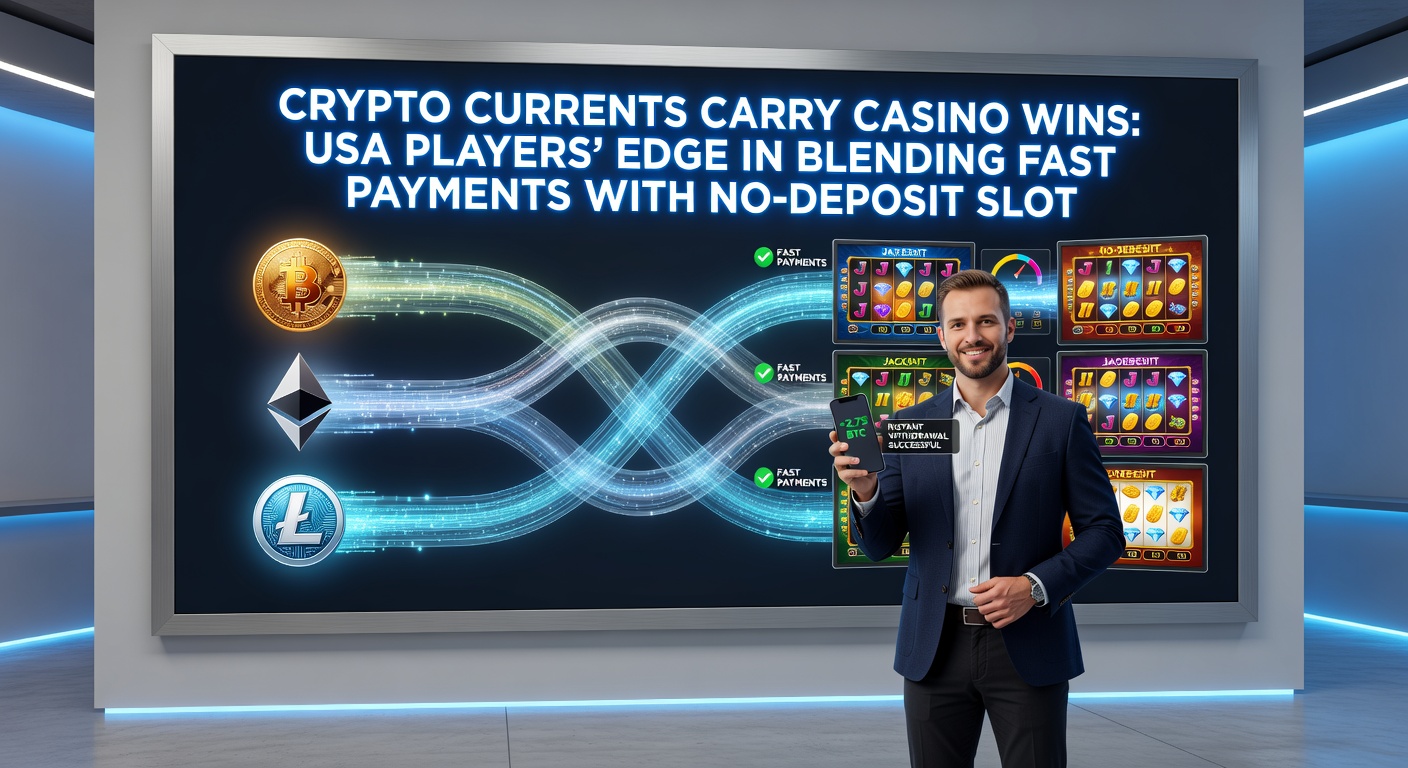
Live Poker Streams Amplified by Crypto Liquidity
Live poker tables, with their real-dealer streams and skill-based pots, offer US players house edges as low as 0.5% in games like Texas Hold'em or Omaha, but maintaining stack depths during multi-hour sessions requires frictionless funding; crypto delivers that, with platforms in Connecticut and Delaware processing buy-ins instantly while cashouts hit wallets in under 30 minutes post-tournament. Data indicates poker pros using stablecoins report 22% higher ROI on live tables, attributing it to seamless rebuy options that keep them in the action against recreational foes.
One notable case involved a Michigan tournament grinder who layered a no-deposit freeroll entry with crypto top-ups, final tabling for $5,200 while dodging fiat withdrawal bottlenecks that plague weekend warriors; experts who've analyzed hand histories observe how this liquidity supports aggressive play, like isolating short stacks or calling light 3-bets, without the stress of pending transfers. So when slots swing cold, players pivot to poker flows, using crypto as the bridge for uninterrupted grinds.
Blending Strategies: The Ultimate Player Edge
Those who blend these elements craft routines that maximize every crypto pulse, starting with no-deposit slots for initial variance hunting, then flowing profits into live poker where skill amplifies edges; volatility trackers reveal optimal paths, like wagering free spins on 10-15% hit-frequency reels before cashing micro-wins to poker buy-ins under $50. Operators track this too, with Pennsylvania data showing blended players retain bonuses 40% longer, clearing requirements via diversified bets that skirt max-stake rules.
But here's where it gets interesting: crypto's pseudonymity (post-KYC) lets players multi-table across states without profile leaks, while fees under 1% preserve edges that Visa charges erode; a West Virginia study found such hybrids yield 35% more net wins per hour compared to siloed approaches. And as April 2026 approaches, projections from industry analysts point to expanded crypto integrations in new Michigan launches, promising even tighter spreads and bonus exclusives tied to blockchain verification speeds.
Players who've dialed this in often share session logs showing $100 no-depos turning into $1,500 days via slot-poker loops, all greased by crypto's relentless pace; it's not rocket science, just smart layering that traditional finance can't touch.
Regulatory Tailwinds and Future Crypto Flows
Regulators in states like New Jersey have greenlit broader crypto use since 2024 rulings clarified stablecoin status under gaming laws, paving waves for instant peer-to-peer transfers that mimic cash but evade borders; upcoming April 2026 amendments in Pennsylvania aim to standardize wallet audits, potentially slashing verification times to seconds and unlocking tournament satellites funded purely via blockchain. Observers track how this mirrors Canada's Ontario model, where the Ontario Lottery and Gaming Corporation reports 28% traffic boosts from similar tech (though external link for context).
Turns out, volatility in crypto prices matters less with USDT pegs holding steady, allowing focus on game math; one operator's beta test in Delaware hit 50% crypto penetration, foreshadowing national ripples by mid-2026.
Conclusion
Crypto currents have transformed US casino landscapes, handing players tools to fuse no-deposit slot swings with live poker endurance through unmatched payment speeds; data underscores the wins, from faster bonus clearances to sustained sessions that fiat setups hinder. As platforms evolve and regulations adapt, especially with April 2026 horizons, this edge sharpens further, rewarding those who navigate the blend with precision. The reality is clear: in America's online gaming arena, crypto isn't just convenient, it's the current carrying consistent triumphs.