Cross-Platform Features Enabling Smooth Shifts Between Slot Games and Live Dealer Tables
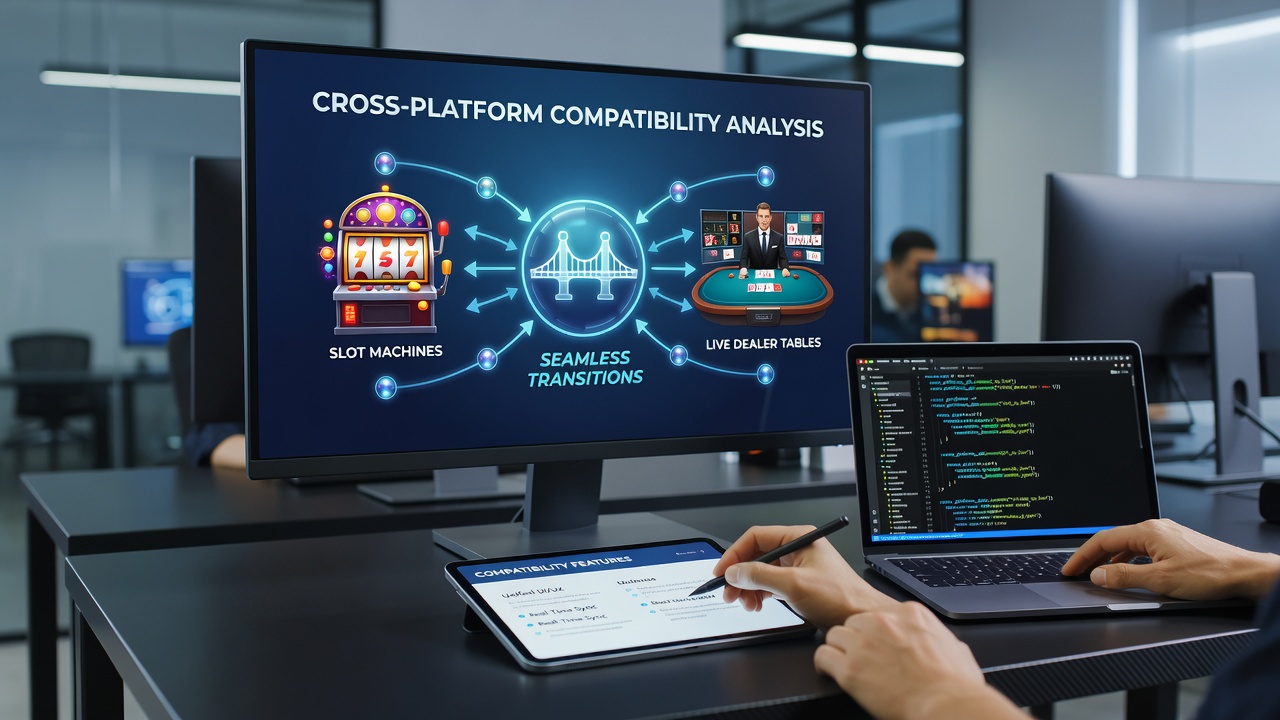
Developers have focused on compatibility layers that preserve player sessions when moving from digital slot reels to live dealer environments, and these systems rely on synchronized account data along with standardized APIs that connect separate game engines. Research from industry analysts shows that unified login protocols allow users to maintain balances and progress without interruption, while device detection scripts adjust graphics and controls automatically based on screen size and input method.
Cloud infrastructure plays a central role here because it stores game states in real time across servers located in multiple regions, which reduces latency during switches. According to data compiled by the American Gaming Association, platforms that integrate these features report higher retention rates since players encounter fewer barriers when alternating between automated slots and interactive table sessions. Compatibility testing now includes checks for operating system versions, browser engines, and network conditions to ensure consistent performance on both desktop terminals and mobile applications.
Technical Components Supporting Transitions
Session handoff protocols use encrypted tokens that transfer player context from one game server to another, and these tokens carry details such as current wager history plus any active bonus conditions. Observers note that HTML5 frameworks combined with WebSocket connections enable low-latency updates, which proves essential when live video feeds must load alongside existing slot interfaces. Studies conducted by university researchers at the University of Nevada have examined how these elements interact, revealing that optimized caching reduces load times during cross-game navigation.
Device-specific rendering engines further refine the experience by scaling animations and adjusting touch targets, while backend databases track user preferences to preload relevant assets. In June 2026 several operators introduced enhanced middleware that coordinates audio channels between slot soundtracks and live dealer audio streams, creating a more continuous auditory environment. Those who manage large player bases report that such refinements minimize drop-off rates when individuals move between game types.
Regulatory and Security Considerations
Compliance frameworks require that all transferred data meets encryption standards established by regional authorities, and this includes verification steps that confirm player identity remains consistent throughout a session. Reports from the New Jersey Division of Gaming Enforcement highlight how audit trails must document every transition to support responsible gaming measures and dispute resolution. Security teams implement multi-factor checks at key handoff points to prevent unauthorized account access during these movements.
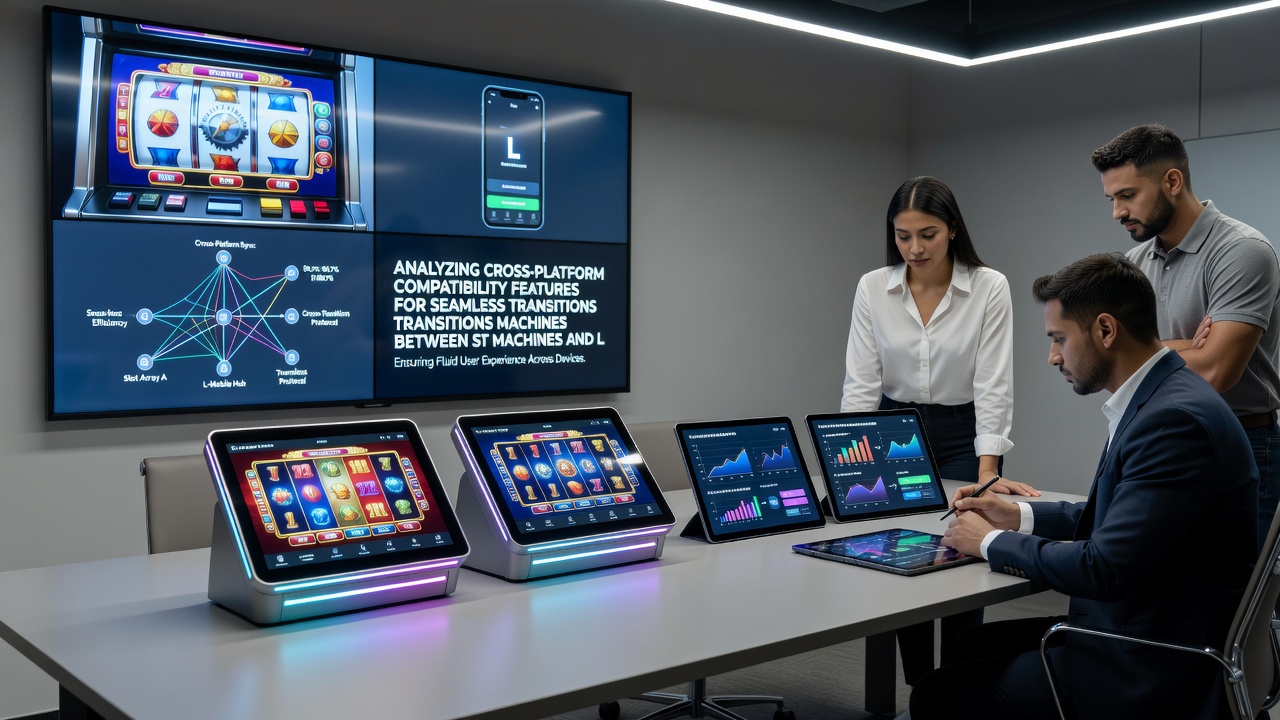
Testing protocols now extend to simulated network disruptions because operators must verify that interrupted transitions resume correctly once connectivity returns. Figures released by gaming technology providers indicate that platforms passing these rigorous checks experience fewer compliance incidents and maintain smoother operational records across jurisdictions.
Player Experience Patterns and Data Insights
Analytics platforms track movement frequency between slot titles and live tables, revealing patterns where users often begin with quick spin sessions before shifting to dealer-led games during peak hours. Data indicates that interfaces offering one-tap navigation options see increased engagement compared with those requiring multiple menu selections. Researchers have documented how visual cues such as persistent balance displays and unified chat functions contribute to perceived seamlessness.
Case examples from large-scale deployments show that players who utilize cross-platform accounts complete more game rounds overall, since saved settings carry forward automatically. Industry reports compiled through 2026 emphasize that continued investment in these compatibility features aligns with broader trends toward integrated casino ecosystems that span multiple game categories without requiring separate logins or wallet management.
Conclusion
Compatibility advancements continue to shape how operators structure their game libraries, with focus remaining on reliable data synchronization and responsive design that supports both slot mechanics and live dealer interactions. Evidence from multiple regulatory and academic sources confirms that well-executed transitions enhance operational efficiency while meeting security and compliance standards across different markets.